
Psychologist, psychotherapist, psychiatrist; what’s the difference?
If you are considering undertaking talking therapy, you may have already come across all the different therapists. I am often asked to explain the difference in therapist names, and this article summarizes the therapists you may come across.
The titles differ in training and scope of practice. A psychology degree alone does not qualify someone to provide psychological therapy. Professional training varies by specialism, country and when someone qualified; clinical and counselling psychologists typically complete substantial postgraduate training and supervised clinical practice.
Counsellors and psychotherapists do not have to have an undergraduate degree in psychology; their training can be at a diploma or undergraduate level, and some are at Master’s degree level.
A psychiatrist is a medical doctor who then specialises in psychiatry. Not all psychiatrists offer therapy.
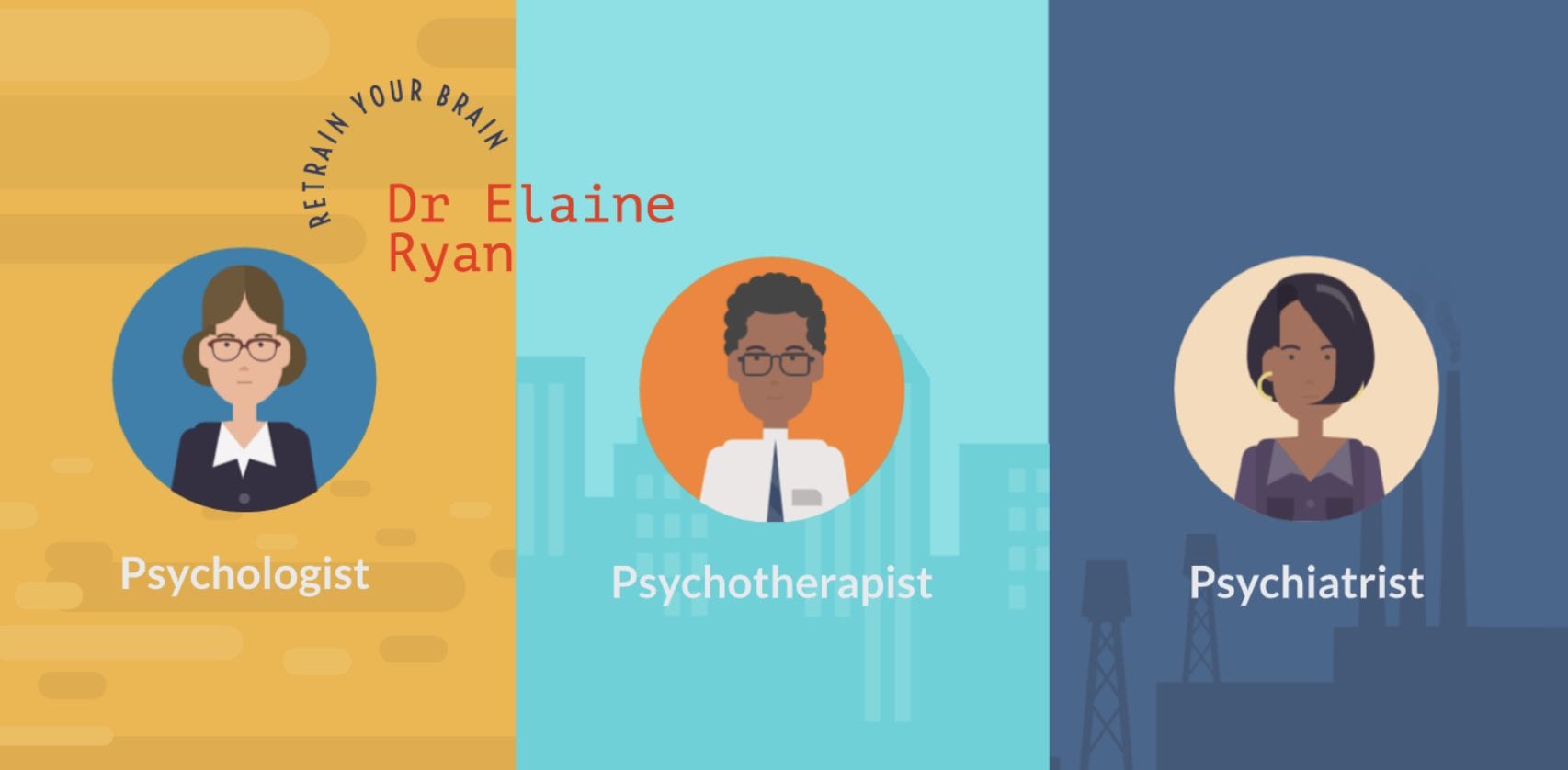
What is a psychologist?

A psychologist is someone who has studied the brain, emotions and behaviour. Psychologists study how you think and interact with people.
Clinical and counselling psychologists train in assessment and psychological therapy, commonly through professional doctoral programmes. Other psychology specialisms have different training routes. When seeking therapy, check the practitioner’s relevant professional qualification, supervised experience and current professional standing.
It can confuse, but someone with a psychology degree is not a psychologist. An undergraduate degree in psychology gives a person a good understanding of cognitive and social psychology and child development. Still, a person with just a degree in psychology will not have received formal training in models of therapy and mental health conditions.
To call yourself a psychologist, you shall have undertaken postgraduate training courses recognised by a professional body.
Where do they work?
Clinical and counselling psychologists work in settings such as the HSE, NHS and private practice. Psychologists in other specialisms may work in education, organisations, research, sport or other fields.
How do psychologists help?
Clinical and counselling psychologists can provide talking therapy within their competence. Their professional training includes therapy models and supervised clinical practice. Ask which approaches they use and what experience they have with your difficulty.
Psychologists help by undertaking complete assessments of your difficulty and providing an explanation for what is happening to you and a treatment plan covering what they recommend you do to feel better.
Psychologists can help with all forms of mental health problems and also help with lifestyle changes, managing chronic illness, and relationship problems.
What is a counsellor?
A counsellor is someone who has studied at a diploma or degree level. They do not have to have an undergraduate degree in psychology.
According to the IACP, as of 2018, to be accredited as a counsellor in Ireland, the person has to have, at the minimum, an undergraduate degree or postgraduate qualification.
Where do counsellors work?
Counsellors can work in universities, private practice and some health care settings working in addiction centres and offering bereavement help or relationship help.
What can they help with?
Counsellors can help you to explore difficulties you may have and can help with problems such as anxiety and depression.
What is a psychotherapist?
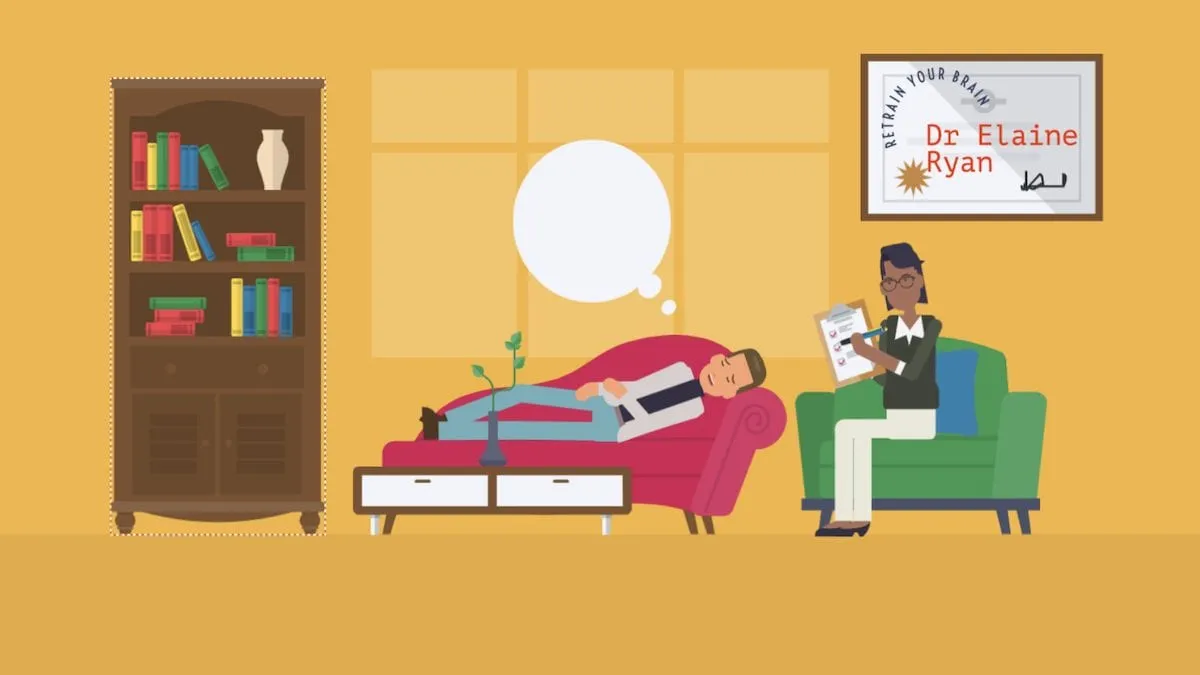
Psychotherapy is another word for talking therapies.
The term ‘psychotherapist’ is not a job title as such. Psychotherapy refers to talking therapies.
A psychologist, psychiatrist or another mental health professional may be called a psychotherapist if they have training in psychotherapy. For example, the title of my full doctoral training was in psychotherapeutic and counselling psychology
There are many different approaches in psychotherapy, or talking therapies, which include:
- cognitive behavioural therapy
- , psychoanalytic therapy
What is a psychiatrist?
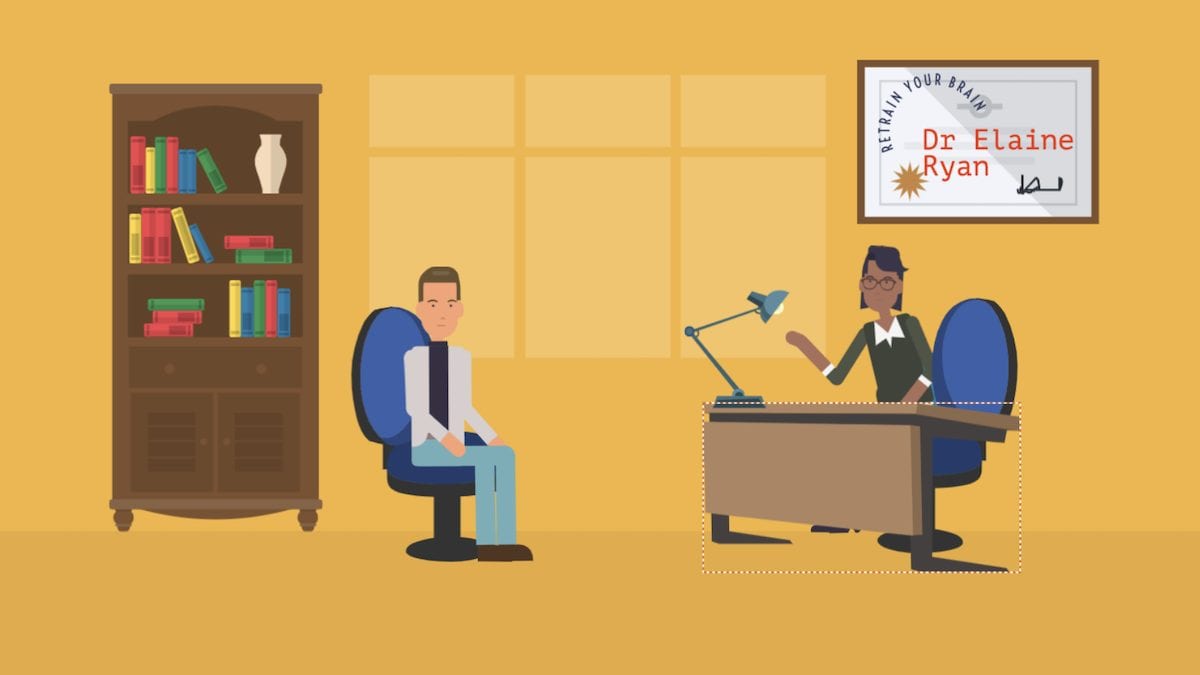
Psychiatrists are medical doctors who specialise in mental health. In addition to diagnosis, they can also prescribe and monitor medication.
Where do they work?
Psychiatrists can work in HSE or NHS as part of mental health teams. For example, when I worked in mental health teams in the NHS, psychiatry was part of our multi-disciplinary team.