
How do I know what help I need and if it will help?
I appreciate there is a lot of information on my site, so I have developed a pathway to help you decide what you need (if anything) and what will work best for you.
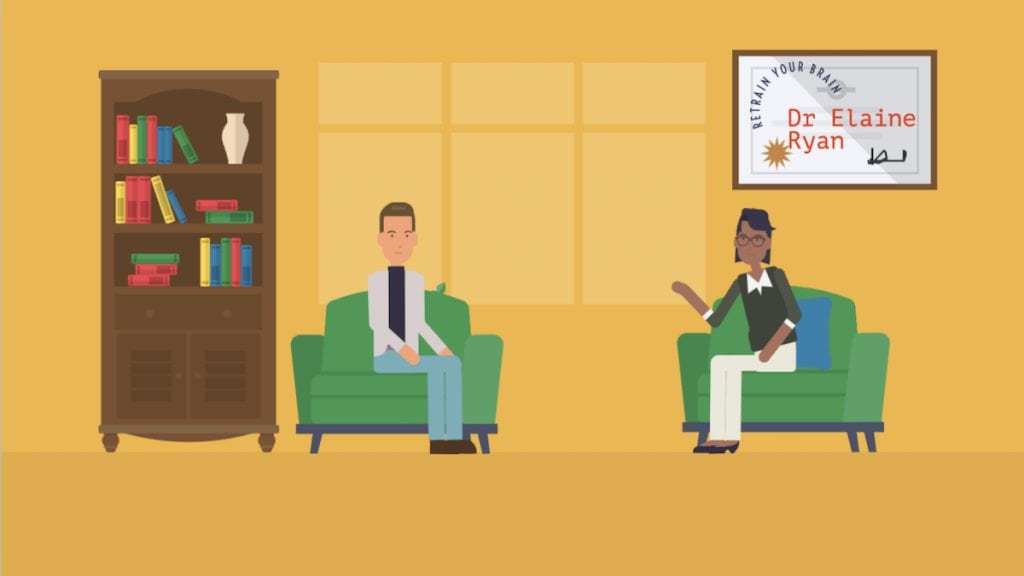
This page will take you through
What helps with what? For example, what is the best option if I have anxiety?
Do I need therapy or self-help?
I am not sure what is wrong with me
Start with a test
Test for Anxiety/ Stress Go to test
Test for Social Anxiety Go to test
Test for Panic Disorder Go to test
Guidelines
Some guidelines tell us what to do and what works best.
We do not have guidelines as such in Ireland, but because and I am trained and registered in the UK, I shall refer to the UK guidelines: The National Institute for Clinical Excellence – NICE (for short.)
According to the guidelines, the evidence based treatments are
- Medication – I am a psychologist and do not prescribe, but you can chat with your GP about what medication options are open to you.
- Psychological Therapies – this is where I come in as a psychologist.
For most things that fall under the umbrella of mood – stress, insomnia, racing mind, worry, anxiety, panic, social anxiety, health anxiety, low mood, depression, self-esteem and confidence, it is recommended that you undertake
- CBT – Cognitive Behavioural Therapy
Do I need therapy or self-help?
I generally recommend self-help first. When I worked in the NHS in the UK, computerized CBT was the first port of call, and the research shows that people do well with this, with many not needing to come for face-to-face sessions.
If you would like to work with me
these are the options open to you,
My self-help courses contain everything you need and are perfect if you are good at working alone.
If you choose the self-help option, you have lifetime access to all future content that I add to your course.
If you are considering the course, don’t be put off by the title that contains stress management! The course will get at all your deeply held beliefs about yourself and show you how to change them!
The online appointment is where we meet either via Skype or FaceTime. Online appointments give access to all online tools – the self-help course. You might prefer this option if you want to speak with me. Many people find that this one session and the self-help course to be all they need.
If you prefer to meet with me and go through everything face to face, you can arrange to meet me in my office in Dublin.
It is, of course, a personal choice,
And lastly, are you any good at what you do?
Yes, I’m fantastic
But you do not want my opinion, it’s not safe! This is why we have professional bodies that make sure we can do what we say we can. It is all about being competent to provide a service.
You may have already seen on my about me page, that I am registered with The British Psychological Society and The Health Professions Council in the UK. This basically means that I have followed a level of training that deems me competent and safe to do my job!
The rest comes down to personal preference from you, whether you feel you can work with me, like me, or believe that I can help.
Related reading: low-cost counselling options; whether music can be therapeutic; learning to be your own therapist.